


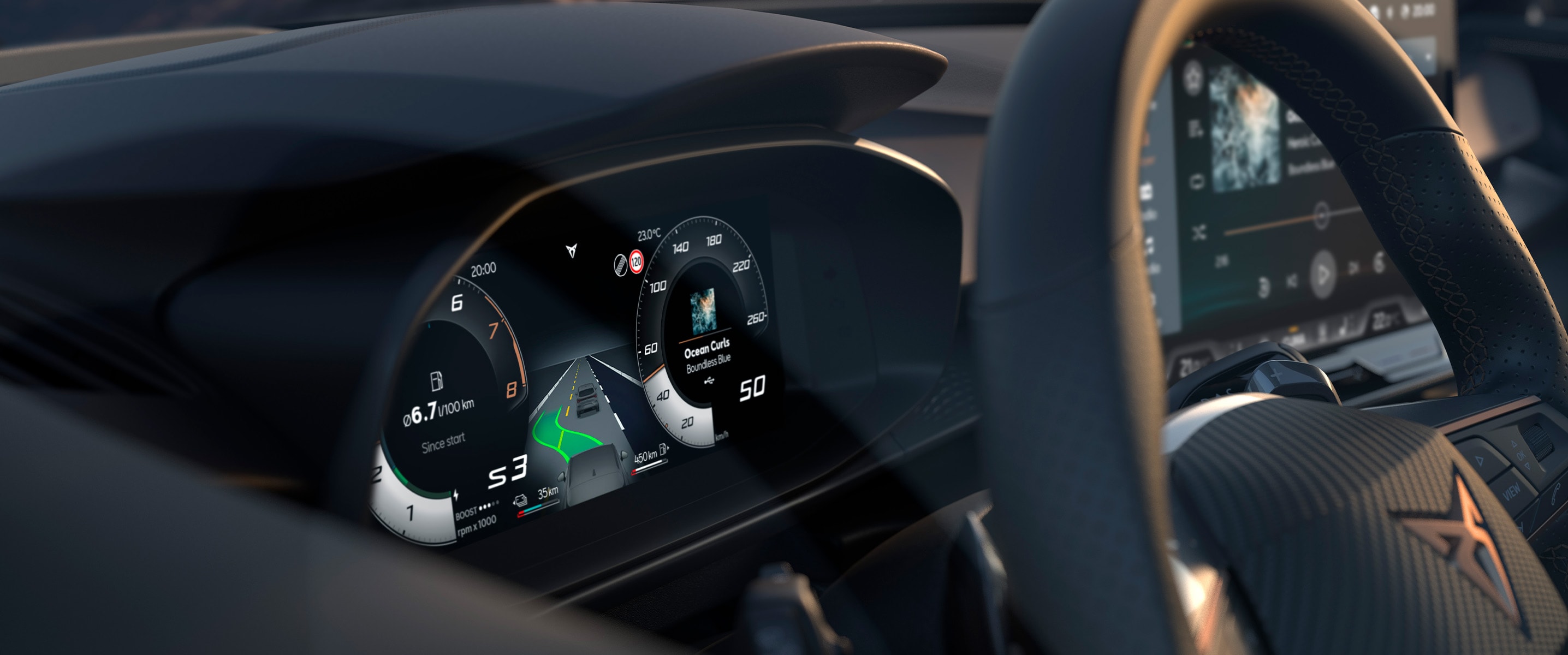
CAR DASHBOARD SYMBOLS & MEANINGS
As a CUPRA owner, understanding the messages and symbols displayed on your dashboard is crucial for maintaining vehicle safety and optimal performance. These control lamps and driver information indicators alert you to the status of various systems, from routine operations to critical warnings.
This guide will help you decipher the illuminated symbols on your CUPRA's instrument panel, ensuring you react appropriately and confidently to every message your vehicle communicates.
The Language of Light: Understanding the Colour System
Dashboard lights follow a universal traffic light colour system, indicating the urgency and severity of the issue:
- Red: These are critical warnings. A red indicator light signifies a serious, potentially dangerous issue that requires immediate attention. You must stop your CUPRA safely and immediately and have it checked by a professional.
- Yellow/Orange (Amber): A yellow warning light indicates something needs to be checked or monitored. While not as urgent as a red light, it signals a problem that should be checked promptly by a qualified technician at your earliest convenience.
- Green/White/Blue: These are informational lights. They usually indicate a system is currently in use (e.g., headlights on, cruise control active) or functioning correctly.
Each indicator light on your dashboard has a specific meaning, so understanding what each color and symbol represents is important for safe vehicle operation.
It’s completely normal for many warning lights to illuminate briefly when you start your CUPRA, as the system performs a self-check. However, if any red or yellow/orange lights remain on after this initial check, or appear while driving, it’s time to pay attention. Your CUPRA owner's car manual provides detailed explanations of each dashboard light and what actions to take.
Driver Information: Control and Warning Lamps
The control and warning lights on your CUPRA's dashboard illuminate individually or in combination to indicate the presence of an anomaly or the activation of certain functions. Some lights switch on when the ignition is turned on and then switch off after a short period. Depending on your specific CUPRA model, additional text messages may also be displayed in the instrument panel. These messages provide either informative guidance or urgent advice for action.
Important Warning: If warning lamps or messages are ignored, faults may occur in the vehicle, which could lead to traffic accidents or serious personal injuries.
- Never ignore warning lamps or text messages.
- Stop the vehicle safely as soon as possible if a critical warning appears.
Red Warning Lights: Stop and Investigate Immediately
Red warning lights demand your immediate attention. Do not ignore them. If a red warning light appears, you must stop your car safely and immediately to ensure your safety and prevent further damage. In these critical situations, remember that CUPRA Roadside Assistance is available 24/7 to provide support, whether you need on-the-spot repair or towing to the nearest workshop.
1. STOP! (General Stop Warning)
This is a critical general warning. When this symbol lights up or flashes (often accompanied by audible warnings) you must immediately STOP driving, check the fault and eliminate the cause. If you cannot identify or resolve the issue, seek professional assistance without delay.
2. Fasten Your Seat Belt
This symbol lights up red to indicate that the driver or one of the passengers has not fastened their seat belts.
For safety, the control lamp lights up to remind the driver to fasten their seat belt. If the vehicle's speed exceeds approx. 25 km/h (15 mph) and the seat belts are not fastened or are unfastened while driving, a warning sound will be heard, and the warning lamp will flash on the instrument cluster display.
3. Brake System Fault, OR Brake Fluid Level Low
This red lamp indicates a warning related to your vehicle’s brake system. It can signal one of two primary problems:
- Brake System Fault: If the light indicates a defect or malfunction in the brake system, often accompanied by a message on your instrumental panel, it means STOP driving! You should immediately inform a specialist workshop and request a brake system inspection. Driving with a faulty brake system is extremely dangerous.
- Brake Fluid Level Low: If light indicates the brake fluid level is too low, often appearing alongside a "STOP!" warning, you must stop driving immediately. Have the fluid level checked and replenished by a professional without delay.
4. Engine Oil Pressure Low
When the engine oil pressure is too low, the indicator lamp lights up red. You must stop driving immediately and switch off the engine. If the warning lamp starts to flash, and is accompanied by audible warnings, switch off the engine and check the oil level. If the warning lamp continues to flash even with the correct oil level, do not run the engine and seek professional assistance.


5. Fault in the Motor Coolant System
This symbol indicates that the motor coolant temperature is too high, or the level is too low. If this happens, STOP driving the vehicle at the next opportunity and in a safe place. Switch off the engine and let it cool down before checking the coolant level in the coolant expansion tank.
If the warning lamp does not go out even though the correct level, do not continue to drive or leave the motor running and seek specialist assistance.
For hybrid vehicles (PHEV): A separate, specific warning lamp flashes red for a Fault in the high-voltage cooling circuit. This also requires immediate attention and professional assistance.
6. 12V Battery / Alternator Fault
This control lamp lights up red for an Alternator fault or a problem with the 12V power supply, meaning the vehicle battery may not be charging. You should stop driving immediately and proceed to the nearest specialised workshop, as you may lose electrical power.
Yellow/Orange (Amber) Warning Lights: Monitor and Get Checked Soon
Amber warning lights indicate issues that need attention but generally aren’t critical enough to demand an immediate stop. However, they should not be ignored.
1. Low Tyre Pressure
The control lamp switches on yellow, indicating the inflation pressure of one or more wheels is much lower than the set value, or the tyre has structural damage. This warning is accompanied by audible warnings and a text message displayed on the instrument panel screen. You should stop the vehicle safely as soon as possible, check all tyres and pressures, and replace any damaged tyres.
2. ABS Fault
The control lamp switches on yellow, indicating the inflation pressure of one or more wheels is much lower than the set value, or the tyre has structural damage. This warning is accompanied by audible warnings and a text message displayed on the instrument panel screen. You should stop the vehicle safely as soon as possible, check all tyres and pressures, and replace any damaged tyres.
3. Engine Management and Emissions System Fault
This broad category covers several yellow indicator lamps related to engine operation and emissions control.
Important Note: While these lamps are on, there might be faults in the engine, fuel consumption may go up, and the engine might lose power.
3.1. Particulate Filter Clogged
The indicator lamp lights up yellow, meaning the particulate filter is close to saturation. The system recommends optimal driving for the self-cleaning function.
3.2. EPC (Electronic Power Control) Petrol Engine Management Fault
The indicator lamp lights up yellow. Have the engine checked by a specialised workshop as soon as possible.
3.3. Diesel Engine Preheating System, OR Diesel Engine Management Fault
- Diesel Engine Preheating System: The indicator lamp lights up yellow when preheating is active. The engine can be started straight away when the lamp switches off.
- Diesel Engine Management Fault: If the control lamp flashes yellow, have the engine checked by a specialised workshop as soon as possible.


3.4. Fault in the Emissions Control System, OR Combustion Failures
This yellow indicator lamp signals an issue with the vehicle's emissions control or engine management system. The behavior of the light indicates the severity of the problem:
- Fault in the Emissions Control System: If the lamp lights up yellow and stays on, a fault has been detected in the emissions control system.
- Combustion Failures: If the control lamp flashes yellow, it indicates combustion failures that could damage the catalytic converter.
In either case, you should reduce speed and drive carefully to a specialised workshop to have the system inspected.
4. AdBlue® Level Low, OR Fault in the SCR System
This symbol indicates issues with the AdBlue® system (Selective Catalytic Reduction).
4.1. AdBlue® Reserve is Low
If the indicator lamp lights up yellow, it means the AdBlue® level is low. You need to top up AdBlue® within the number of kilometres shown on the instrument panel display.
4.2. Fault in the AdBlue® System
The control lamp lights up yellow if there is a fault in the AdBlue® system or a non-conforming AdBlue® fluid has been added. In this case, you should go to a specialised workshop and have the system checked.


4.3. AdBlue® Level Too Low (Red Lamp)
If the indicator lamp lights up red, or if the "AdBlue® level too low" message appears in red, the engine cannot be restarted. You must stop the vehicle in a safe place, and flat area. Then, top up the AdBlue® with the minimum required quantity (approx. 5 litres) to be able to start the engine again.
4.4. Fault in the AdBlue® System
If the red lamps indicate a fault in the AdBlue® system, the engine cannot be restarted. Contact a specialised workshop immediately and get the system checked.
5. Exterior Temperature Below +4 °C (+39 °F)
The indicator lamp lights up, reminding you that the exterior temperature is lower than approximately +4 °C (+39 °F). The "ice crystal symbol" also lights up on the outside temperature indicator. This symbol remains lit until the outside temperature exceeds +6 °C (+43 °F). This alerts you to the potential for icy road conditions. Drive with increased caution.
6. TCS Manually Deactivated, ESC in "Sport" Mode or ECS Manually Deactivated
This symbol indicates that the Traction Control System (TCS) or Electronic Stability Control (ESC) has been manually deactivated, or that ESC is operating in "Sport" mode.
- Disconnecting TCS/ESC: The TCS can be switched on and off by pressing the corresponding button on the centre console or via the infotainment system. When disconnected, the control lamp lights up in the instrument cluster.
- ESC in "Sport" Mode: In Sport mode, ESC is switched off or limited. The ESC Sport mode should be activated only when traffic conditions and the ability of the driver allow it, as it increases the risk of skidding. With ESC in Sport mode, the stabilising function will be limited or fully deactivated (depending on the model version) for sportier driving. The vehicle may skid.
Important Note: If the ESC is deactivated, the vehicle stabilisation function is not available. If TCS or ESC is switched off or "Sport" mode is selected, the cruise control system also switches off.



7. Electronic Stability Control (ESC), Traction Control Regulating or ESC Fault
When this control lamp flashes yellow, it indicates that the ESC or TCS is regulating. This means the system is actively working to maintain the vehicle's stability or traction, for example, during slippery conditions or aggressive maneuvering. This is a normal operation when the system detects wheel spin or a loss of control.
If the control lamp lights up and stays on there is a fault in the ESC. Try turning the ignition off and on again. If possible, drive for a short distance at 15-20 km/h (9-12 mph). If the light is still on, go to a specialised workshop.
8. Fuel Tank Almost Empty
This yellow lamp lights up when the fuel reserve level has been reached. You should refuel as soon as you have the opportunity. We recommend always refueling when the tank is approximately one quarter full, to prevent the vehicle from stopping due to a lack of fuel.
Also, never run the fuel tank completely dry, as an irregular fuel supply can cause misfiring and unburnt fuel could damage the exhaust system, catalytic converter, or the particulate filter.
9. Engine Oil Level
This yellow lamp indicates an engine oil level too low or a fault in the oil level sensor. If the control lamp flashes yellow, have the check done by a specialised workshop. Until then, it is advisable to check the oil level every time you refuel. You should check the engine oil level as soon as possible and change the oil as soon as possible.
Green/White/Blue: Informational Indicators
These lights don’t signal a problem but inform you about a system that’s currently active or in use within your vehicle.
1. Turn Signals
When the turn signals are activated, the corresponding indicator lamp flashes green. If the hazard warning lights are activated, both indicator lamps flash at the same time.
A key diagnostic feature is that if a turn signal fails on the vehicle, the indicator lamp will flash at about twice the normal speed; this does not apply if a trailer is attached. A separate indicator lamp also flashes to confirm the operation of the turn signals on a correctly attached trailer.
2. Main Beam On
This blue indicator lamp lights up when the main beam headlights are switched on or when the headlight flasher is used.
3. Cruise Control (GRA) Active
This symbol indicates the status of the Cruise Control system (GRA). The color of the lamp changes depending on its operational state:
- Lights up white: The cruise control system is switched on and ready, but not currently regulating your speed.
- Lights up green: The cruise control system is actively regulating and maintaining your set speed.



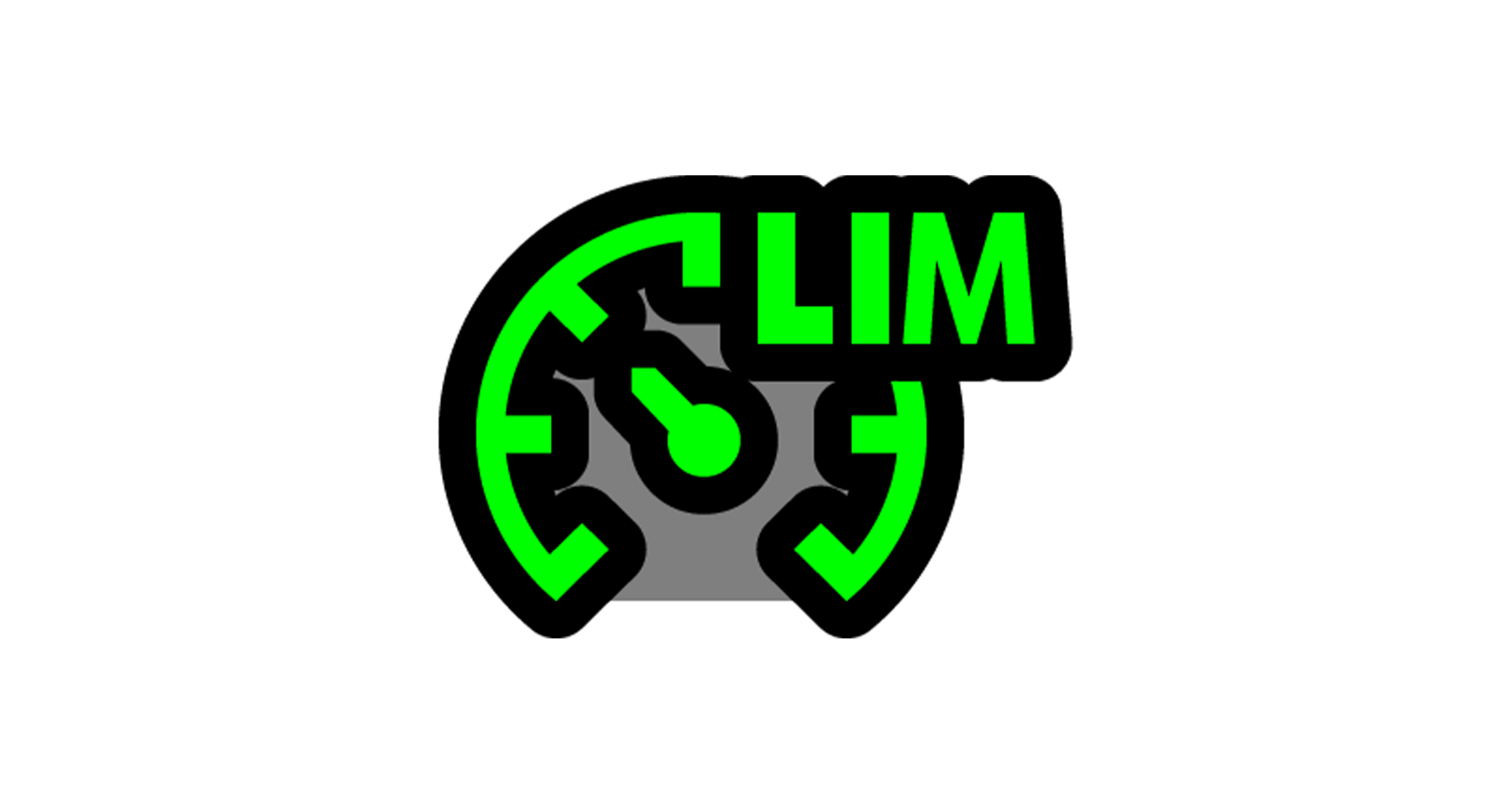
4. Speed Limiter Active
The colour of this lamp indicates the status the status of the Speed Limiter function:
- Lights up white: The speed limiter is switched on but is not currently active.
- Lights up green: The speed limiter is active and will prevent the vehicle from exceeding the set speed.
5. Auto Hold Active (Green)
This symbol indicates the status of the Auto Hold function, which helps prevent the vehicle from rolling when stationary. The color of the lamp changes depending on its operational state:
- Lights up white: The Auto Hold function is paused or not currently active.
- Lights up green: The Auto Hold function is active and currently holding the vehicle stationary.
6. Start-Stop System Activated
This symbol indicates the status of the Start-Stop system, which helps save fuel by automatically switching off the engine when the vehicle is stationary:
- Lights up white: The Start-Stop system is activated and ready to function. The engine will switch off automatically when conditions are met.
- Lights up white with a slash: The Start-Stop system is unavailable. This means the system is switched on, but the engine will not stop automatically because certain conditions (e.g., engine temperature, battery charge) are not met.
7. Vehicle Chargin
This symbol indicates that the vehicle is charging. The color and behavior of the light (e.g., pulsing green or solid white) can also indicate the current status of the charging process, such as actively charging or fully charged.
8. Main Beam Assist Active
This white indicator lamp lights up to show that the Main Beam Assist is active. The system will automatically manage the main beam headlights, switching them on and off depending on traffic conditions.


Warning Light Prevention: Keeping The Lights Off
The best way to deal with warning lights is to prevent them from appearing in the first place. Regular vehicle maintenance is your first line of defense against unexpected car warning lights. Make it a habit to check your oil levels, coolant levels, and tyre pressure frequently, as these are common triggers for dashboard warning lights.
Don’t overlook the importance of timely replacement of wear-and-tear items like brake pads and glow plugs. Worn brake pads can trigger a brake warning light, while faulty glow plugs can cause issues in diesel models. Addressing these components before they fail helps keep your dashboard free of warning lights.
To help you keep your CUPRA always at its best, we offer a free Preventive Check-Up. Our experts will assess 20 key components across 10 vital areas—from the engine and gearbox to the braking system, tyres, shock absorbers, fluid levels, and lighting.
This comprehensive inspection ensures your CUPRA performs at its peak, giving you a clear picture of your car’s condition between official maintenance checks. This exclusive service is designed to cover you for safety and top performance on the road, so you can keep enjoying your CUPRA with total confidence.
Safe driving habits also play a big role in prevention. Avoid violent steering manoeuvres, sudden acceleration, and hard braking, as these can put unnecessary stress on your vehicle’s systems and increase the likelihood of a warning light appearing.
By combining regular maintenance with smooth, cautious driving, you’ll reduce the risk of unexpected warning lights and keep your CUPRA in top condition.
Vehicle Maintenance Schedule: Staying Ahead of Issues
Sticking to a vehicle maintenance schedule is one of the most effective ways to prevent warning lights from disrupting your drive. A well-planned maintenance routine ensures that all critical systems—like the brake system, engine, and transmission—are checked and serviced at the right intervals.
CUPRA's official maintenance schedule includes key inspections to keep your car running smoothly, safely, and efficiently:
- Official Inspection: Recommended every 30,000 km or after 2 years. Our experts will perform essential tasks like oil and filter changes, headlight adjustments, and engine status checks.
- Technical Inspection: Your CUPRA should have its first technical inspection after 2 years, and then every 2 years thereafter. This includes checking engine oil levels, brake fluid, coolant levels, and battery efficiency.
- Wear and Tear Inspection: We also stay ahead of parts that naturally wear out over time. It's recommended to change wiper blades every 2 years, replace tyres after approximately 40,000 km or 3 years, and check brake pads depending on your driving style.
By adhering to this schedule at an official CUPRA workshop, you guarantee that your vehicle receives top-tier care with genuine parts, ensuring its safety and peak performance.
What to Do When a Warning Light Appears
1. Stay Calm: The first step is always to remain calm. Panicking won’t help.
2. Identify the Light: Refer to this guide or your CUPRA’s owner’s manual to identify the specific symbol and its colour.
3. Assess Severity and Act:
- Red Light: Stop driving immediately! Safely pull over and turn off the engine. Do not continue your journey. Contact CUPRA Roadside Assistance or your service centre immediately for professional diagnosis and resolution. You can get help directly from your CUPRA using the "Breakdown call" button or by phone. Ignoring a red light can lead to severe damage or a dangerous situation.
- Yellow/Orange Light: Note the light and its meaning. You can usually continue your journey cautiously, but plan to get your CUPRA inspected by a qualified technician promptly.
- Green/White/Blue Light: These are normal operational indicators. Ensure you understand what system they refer to.
4. Avoid Ignoring: Even a minor yellow light can escalate into a serious and costly problem if ignored. Timely diagnosis and repair are key to maintaining your CUPRA’s longevity and performance.
Warning Light Troubleshooting: Digging Deeper
When a warning light appears on your dashboard, it’s important to take it seriously and investigate the cause. Start by consulting your CUPRA owner’s manual to identify the specific warning light symbol and understand its meaning. For common warning lights like the engine warning light, brake warning light, airbag warning light, or check engine warning light, the issue could range from a minor sensor fault to a more serious system failure.
If you’re unsure about the cause, or if the light appears alongside changes in your car’s performance, it’s wise to consult a professional mechanic. Many garages can use diagnostic tools to quickly pinpoint the problem behind a warning light. Addressing the root cause promptly helps prevent further damage and ensures your CUPRA remains safe and reliable.
Remember, ignoring a warning light can lead to bigger issues and more expensive repairs. By troubleshooting as soon as a light appears, you’ll keep your car running smoothly and avoid unnecessary stress.
Driving Safety Tips: Staying Safe When Warning Lights Appear
If a warning light appears on your dashboard while driving, your first priority should always be safety. Avoid sudden braking or steering manoeuvres. If you see a yellow/orange warning light related to a key system like the ABS or engine, reduce your speed and drive with caution to a workshop.
For any red warning light, such as a critical brake or engine issue, you must stop driving immediately and prioritise safety by not resuming your journey until the issue is professionally resolved. Always consult your CUPRA owner’s manual for guidance and, when in doubt, seek professional help immediately.
CUPRA Service Plan Options
To keep your CUPRA in top condition and minimise the chances of seeing a warning light, it's important to follow a regular maintenance schedule. With CUPRA's flexible Service & Repair Plans, including CUPRA Care and CUPRA LongDrive, you can enjoy worry-free maintenance with fixed costs and expert care. These plans cover scheduled maintenance with Genuine Parts and highly trained CUPRA experts, ensuring your vehicle remains at its best.
Choosing a CUPRA Service Plan brings numerous benefits designed for your complete peace of mind.
Maintenance becomes simple and predictable thanks to a fixed monthly fee that covers all scheduled costs, offering total convenience by eliminating any surprises.
These plans are also flexible, allowing you to customise them with modular options tailored to fit your CUPRA and lifestyle.
You can place your trust in our expert technicians who know your vehicle inside and out, using the latest technology to deliver top-quality care.
That reliability is guaranteed by the exclusive use of Genuine CUPRA Parts and high-quality approved oils.
To further enhance your ownership experience, premium service options such as a courtesy car and pick-up and delivery services are also available, ensuring your maintenance is as seamless as your drive.
CUPRA LongDrive offers comprehensive coverage for up to 16 years, depending on your chosen plan. For full details on tailored products and coverages that fit your needs, including extending your warranty, visit the official CUPRA website for your market or inquire at your local CUPRA dealership. You can also explore financing options and book apointments through the CUPRA financial area and service portals.
Conclusion
Your CUPRA's dashboard warning lights are an indispensable tool for safe and informed driving. By understanding their meanings and reacting appropriately, you can ensure your vehicle remains in peak condition, providing the thrilling and reliable driving experience you expect from a CUPRA. Always consult your owner's manual for vehicle-specific details and, when in doubt, contact your authorised CUPRA service centre for professional advice and diagnostics.